
Why Learning How to Spot Misleading Food Labels Matters
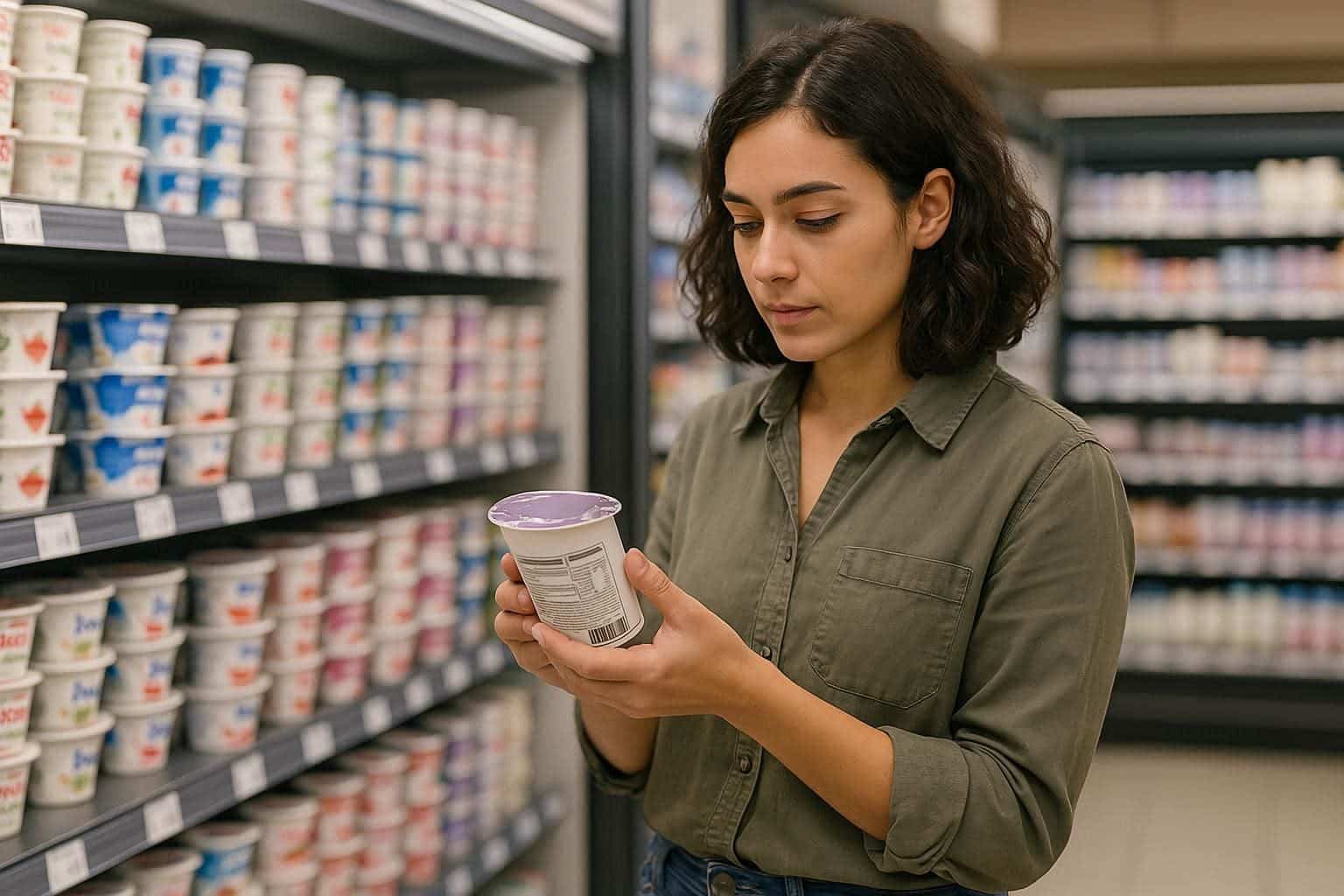
Knowing how to spot misleading food labels is one of the most important skills you can develop when shopping. Packaging is designed to persuade, not just inform, and clever wording often shapes what ends up in your cart.
Terms like grass-fed, sugar-free, and heart-healthy are used strategically to make products seem healthier or higher quality than they may actually be. As a result, shoppers often spend more without realizing the hidden implications. Behind the bright packaging and appealing phrases, many of these claims rely on vague definitions or legal loopholes that can mislead even the most careful consumer.
Understanding how these labels work and where they fall short can help you make smarter choices, save money, and pick foods that genuinely support your health. Below are some of the most common claims, along with demonstrations on how to easily identify what’s healthy and what is not.
Quick overview
- Vague claims — many labels have little or no regulation
- Certifications — some are meaningful, others are just marketing
- Smart habits — simple choices reduce risk and save money
The “All Natural” Myth
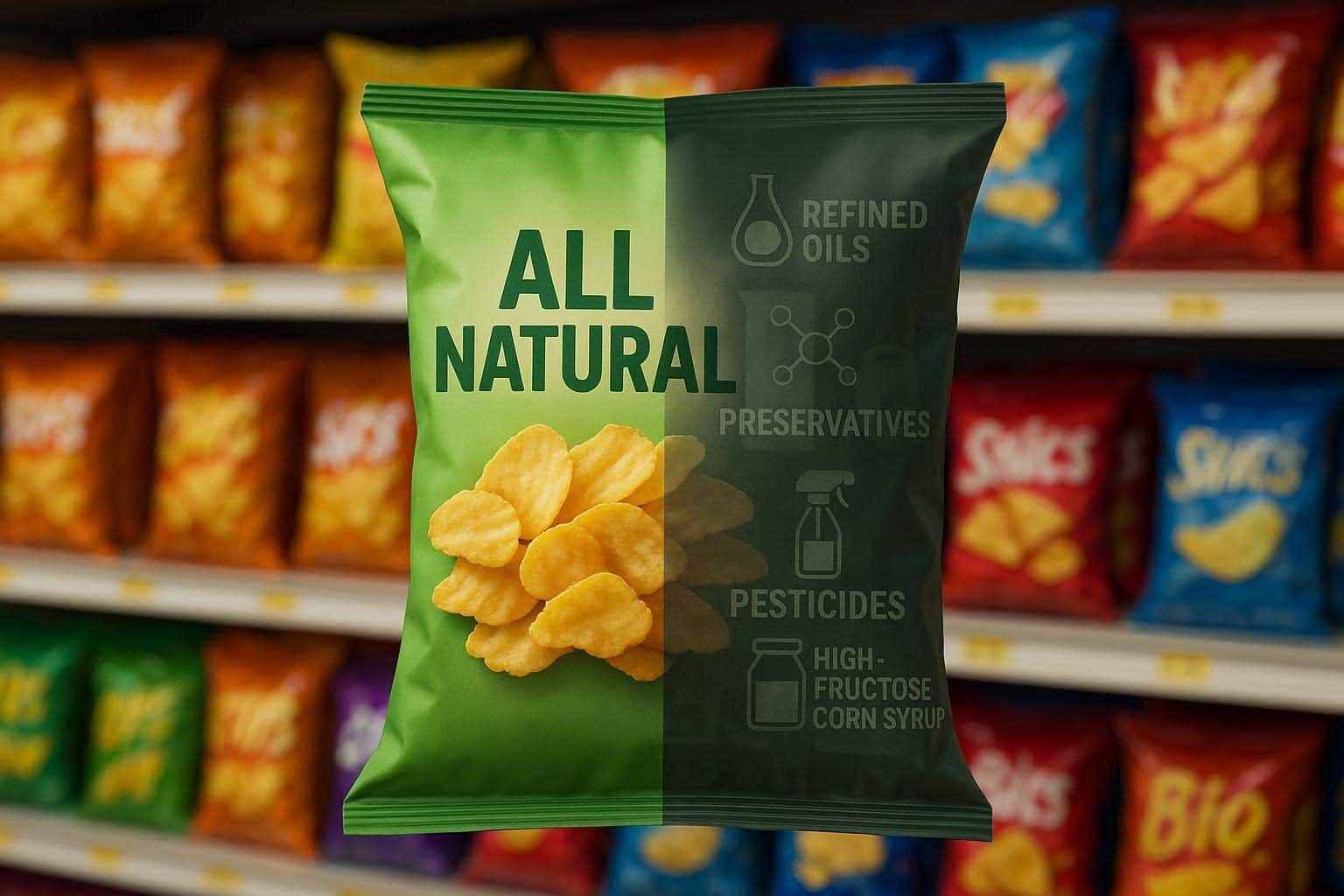
It all starts with being “natural.” The all-natural label is one of the most deceptive claims in food marketing. It suggests that a product is wholesome, untouched, and minimally processed, but in reality the FDA only requires it to be free of artificial colorings and synthetic ingredients.
Because the definition is so narrow, many highly processed foods can still carry the label. For example, snacks with refined oils, preservatives, or even high-fructose corn syrup can be considered all-natural if they meet these minimal requirements.
The label does not guarantee the absence of pesticides, nor does it assure that the product is non-GMO.
The Complications of “Organic”
Organic certification tends to be more reliable than vague terms like “natural,” but it’s not as simple as it seems. Organic farmers are required to avoid synthetic fertilizers, growth hormones, and antibiotics, which makes it a step up from conventional farming. Still, many consumers don’t fully understand what these standards cover — or where their limits lie.
While “organic” may sound like a guarantee of purity and health, the reality is more nuanced. Organic farming and labeling regulations still allow practices and products that can surprise many consumers. For example:
- Approved pesticides – Organic farms can use certain pesticides as long as they are on the approved list.
- Natural vs. synthetic pesticides – Substances like copper sulfate, though considered “natural,” may carry risks similar to synthetic pesticides.
- Processed organic foods – Packaged snacks, such as cookies, chips, and cereals, can still be highly processed, even if labeled organic.
- Organic sweeteners – Organic cane sugar may sound healthier, but it carries the same health risks as regular sugar.
Consumers need to be careful to maximize their advantage. Foods with high pesticide exposure (such as strawberries, spinach, and kale) could be grown organically, and the cost incurred by heavily processed organic snacks does not provide significant benefits.
“Natural Flavors” and Hidden Additives
Another generic term that appears healthy but provides minimal disclosure is natural flavors. Most customers believe this is merely an extract of fruits, herbs, or spices. In reality, there is only one requirement: the source of the flavor must be natural.
Manufacturers may include hidden ingredients to stabilize, preserve, or enhance the flavor at that stage. This limited disclosure allows companies to categorize various chemicals under the same label. Practically, natural flavors can be as complex and processed as artificial flavors, despite the implied sense of naturalness.
Free Range: A Minimal Standard
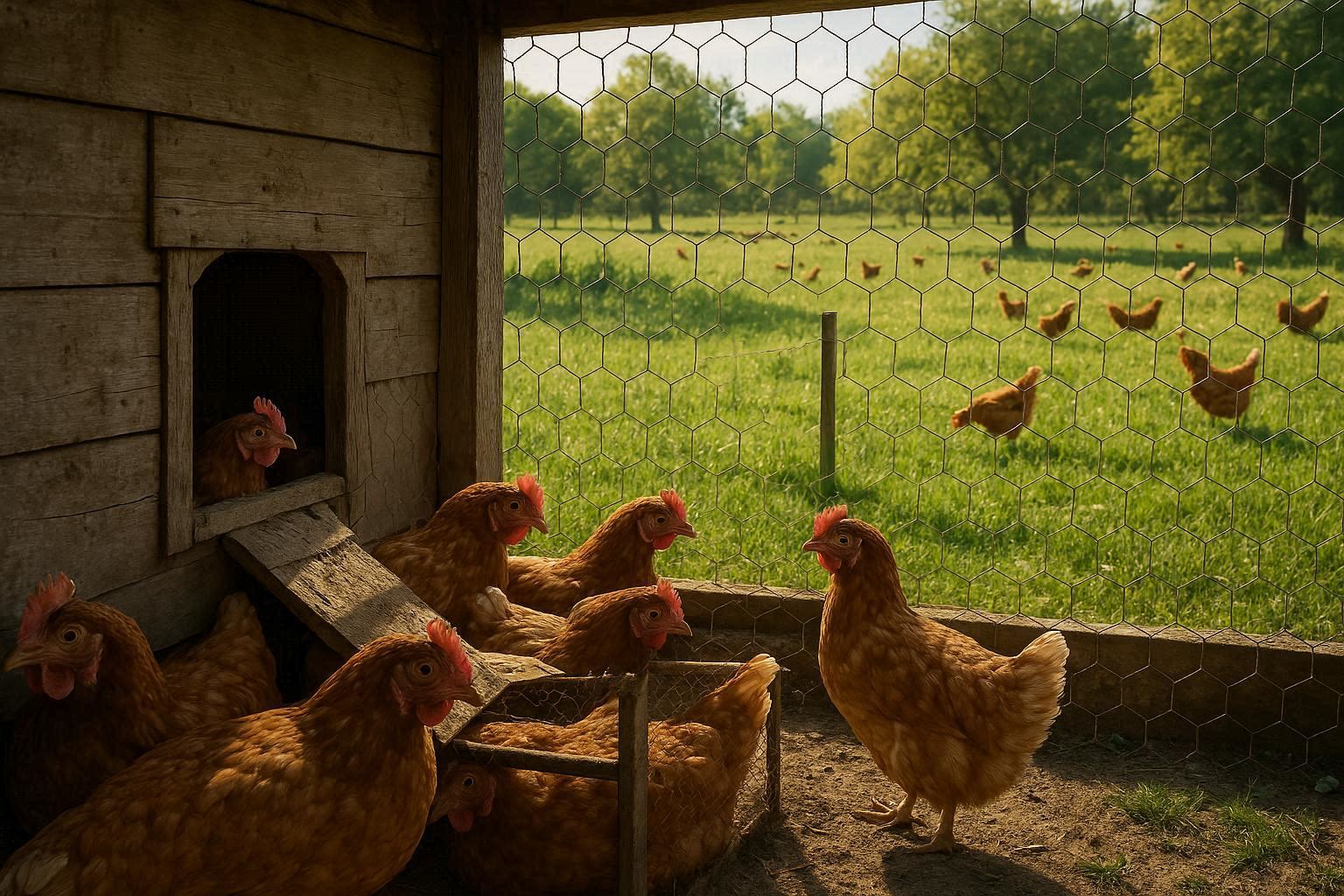
When people see free-range eggs or chicken, they often imagine birds roaming in large open fields. However, the rules are much less strict. Farmers only need to provide a way for chickens to go outside. The law does not specify space or frequency of outdoor access. In many cases, this is just a small door leading to a tiny outdoor area next to a crowded barn far from what shoppers expect.
For more rigorous animal welfare standards or better quality eggs, look for certifications such as:
- Pasture-raised – hens spend most of their time on actual pasture.
- Certified Humane or Animal Welfare Approved – independent programs requiring strict housing and care standards.
These certifications represent farming practices that are more in line with the images suggested by the term free-range.
Grass-Fed Beef: Reading Between the Lines
The label grass-fed beef often gives the impression that cows were raised on grass pastures their entire lives. In reality, many farmers feed cows grass only during the early months, then switch them to grain to grow faster and add fat for marbling. This grain-finishing process reduces some of the nutritional benefits associated with truly grass-fed beef.
To ensure beef is actually pasture-raised, look for labels that provide specific information:
- 100% Grass-Fed – animals exclusively fed grass.
- Grass-Fed and Finished – assures no grain feeding occurred at any stage.
- Certified Grassfed by A Greener World (AGW) – an independent certification with clear standards.
Without these explicit terms, the label grass-fed can be misleading on its own.
Other Commonly Misleading Labels
Besides the buzzwords, many other claims on grocery shelves can be both misleading and superficially beneficial. These assertions often divert attention to the perceived nutrient content of the food, rather than its actual quality.
Examples include:
- Sugar Free – typically replaces sugar with artificial sweeteners, which can interfere with gut health or appetite control.
- Low Fat – often contains added sugar or refined carbohydrates to compensate for lost flavor.
- Low-Calorie – focuses on calorie count without considering the quality of ingredients or nutrient density.
- Heart Healthy – commonly found on products with industrial seed oils, which are linked to inflammation.
- Made with Real Ingredients – sounds reassuring, but almost every processed product contains real ingredients.
- Multi-Grain – often refers to refined grains that are stripped of nutrients and fiber.
Such labels frequently distract shoppers from what truly matters — the ingredient list, actual nutrient content, and the degree of processing.
Strategies to Outsmart Food Labels
The good news is that you can protect yourself from misleading marketing with a few practical habits. Making these strategies part of your routine can help you focus on genuine quality and nutrition.
The least processed foods are typically found in the outer parts of grocery stores, where fresh produce, meat, seafood, and dairy products are often located. In comparison, the aisles towards the middle are packed with packaged goods, where marketing strategies are most intensive.
There is no need to advertise whole foods like apples, sweet potatoes, eggs, and unprocessed meat. The fewer claims a food makes, the less potential there is for misleading marketing.
If buying all organic foods isn’t possible, an innovative approach is to follow these lists:
- Dirty Dozen: Fruits and vegetables with the highest levels of pesticide residue.
- Clean Fifteen: Produce that is generally safer and less contaminated.
Following these lists helps you choose wisely and save money.
Farmers' markets and community-supported agriculture initiatives typically offer products produced to higher standards than mass-market items. Even if some small farms cannot afford organic certification, they often practice regenerative or chemical-free methods.
When packaged goods are required, choose certifications with strict, verifiable standards instead of vague claims. For example:
- Buy eggs labeled "Pasture-Raised" rather than "Free Range".
- Always use 100% Grass-Fed and Finished instead of simply Grass-Fed.
- For poultry and eggs, choose Certified Humane over Cage Free.
Organic or conventional, all fresh fruits and vegetables may carry soil, bacteria, or pesticide residues. Washing thoroughly ensures you minimize any potential risks.
Before placing any item in your cart, ask yourself: Is this a whole food or an engineered product designed to sell with the help of marketing? This helps you avoid unnecessary expenditures and choose healthier options.