
Hormone Replacement Therapy for Women (Perimenopause and Menopause): Resolve Pain, Insomnia, Low Energy, and Sexual Function at the Root
If you are experiencing joint pain, poor sleep, low motivation, or changes in your body that don’t feel like “you”, hormone imbalance may be the underlying cause.
At our clinic, we take a root-cause, functional medicine approach to restoring hormonal balance symptoms improve without simply masking them.
Common Symptoms of Hormone Imbalance in Women
Hormonal shifts especially during perimenopause and menopause can present in ways many women don’t recognize.
You may experience:
- Hip pain or shoulder stiffness
- Insomnia or waking between 2–4am
- Low motivation or loss of drive
- Anxiety or mood changes
- Stubborn abdominal weight gain
- Vaginal dryness or painful intercourse
- Low libido
- Bladder symptoms like urgency, frequency or waking up at night
These symptoms are often early indicators of estrogen, progesterone and testosterone imbalance, not simply aging.
Why Symptoms Like Pain and Insomnia Are Often Misdiagnosed
Many patients are treated with:
- Anti-inflammatory medications (NSAIDs)
- Sleep aids
- Stress management alone
While these may provide temporary relief, they do not address:
✔ Hormonal signaling
✔ Inflammatory drivers
✔ Metabolic and detoxification pathways
Without addressing these factors, symptoms often persist or worsen over time.
Our Clinical Approach to Hormone Optimization
We do not begin with hormone replacement.
We begin by preparing the body to respond appropriately and safely.
Step 1: Optimize Hormone Metabolism Pathways
Estrogen and other molecules are processed through liver pathways, including CYP1A2.
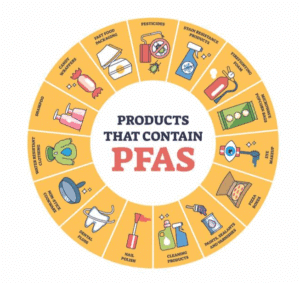
Daily exposures can compete for this pathway and impair hormone metabolism. You are exposed to hundreds and hundreds of toxic molecules on a daily basis, like tobacco smoke, endocrine disrupting chemicals, pesticides, industrial chemicals, mycotoxins and polycyclic aromatic hydrocarbons.
Hormones like estradiol and melatonin are also processed through these pathways.
Another important molecule that is metabolized through the CYP1A2 liver pathway is arachnoid acid. When the pathway is overloaded, this can increase beyond healthy levels and promote inflammation.
Caffeine, certain medications and certain dietary compounds overload the system which leads to decreased hormone metabolism clearance.
As part of our protocol, we:
- Temporarily reduce/ eliminate competing substances (such as caffeine)
- Support liver detoxification pathways to allow removal of the substances that interfere with hormone metabolism, and hormone receptors
- Improve estrogen clearance
Step 2: Reduce Endocrine Disruptors and Toxic Load
Environmental exposures can interfere with hormone function.
We address:
- Reduction of exposure
- Support for detoxification
- Restoration of receptor sensitivity
Step 3: Targeted Hormone Restoration (If indicated)
Once the body is prepared:
Hormone therapy, when needed, can be introduced more effectively using:
- Lower doses
- Individualized protocols
- Careful monitoring
This reduces the risk of:
- Estrogen dominance
- Poor metabolite accumulation
- Unwanted side effects
Clinical Outcomes: What Patients Experience
Case Example 1: Sleep, Pain, and Intimacy Restored
A patient presented with:
- Severe sleep disruption
- Restlessness at night
- Hip pain
- Loss of intimacy due to discomfort
- Lower focus and motivation
She had avoided hormone therapy due to concerns about safety.
Following our protocol:
- Sleep normalized
- Pain significantly reduced
- Restlessness resolved
- Vaginal tissue health improved
Within approximately 6 weeks, she was able to resume comfortable, pain-free intercourse, consistent with improvement in estrogen replenishment at the tissue (Low estrogen causes changes such as atrophic vaginitis – a painful condition where the vaginal tissue dries, gets painful and eventually the vagina contracts to the point of prohibiting intercourse). She could once again, sleep in the same bed with her husband once her restless sleep resolved.
Case Example 2: Energy, Mood, and Body Composition
Another patient experienced:
- Low energy and stamina
- New-onset anxiety and fearfulness
- Central weight gains resistant to exercise
Following treatment:
- Energy and stamina improved
- Emotional stability returned
- Confidence increased
- Body composition improved, with measurable fat loss
Notably, physical changes occurred more rapidly than expected with exercise alone according to her trainer, reflecting improved hormonal and metabolic function.
The Link Between Hormones and Belly Fat
Hormonal imbalance affects:
- Insulin sensitivity
- Fat storage patterns
- Inflammatory signaling
Additionally, the body may store certain compounds in adipose tissue.
When metabolic and detoxification pathways improve:
- Fat storage signals decrease
- The body more readily releases excess body fat
- Waist circumference often reduces
Is Hormone Imbalance the Cause of Your Symptoms?
You may benefit from evaluation if you experience:
- Chronic sleep disruption
- Mood or anxiety changes
- Reduced libido or painful intercourse
- Unexplained weight gain
- Persistent joint pain without clear injury
- Low energy despite tests being normal
- Skin aging
- Bladder weakness
Book a Hormone Optimization Consultation
We work with patients locally and globally through virtual care.
Our process includes:
✔ Comprehensive assessment
✔ Individualized treatment planning
✔ Ongoing monitoring and support
Request a Consultation or Take the Hormone Assessment
To find out if hormone imbalance is contributing to your symptoms: