
What You Need to Know
How acetaminophen affects glutathione, immune function, and liver detox pathways, and safer alternatives you can consider
Why Tylenol Is a Hot Topic
Tylenol (acetaminophen) is one of the most common over-the-counter pain relievers and fever reducers. But more and more people are starting to ask: is it really safe to take regularly?
I haven’t had Tylenol in my home for decades. Why? Because while it may help reduce pain or fever in the short term, research shows it can deplete something your body absolutely depends on for long-term health: glutathione.
What Is Glutathione and Why It Matters
Glutathione is often called the body’s master antioxidant. It’s essential for:
- Protecting your immune system
- Supporting detoxification processes
- Neutralizing oxidative stress and free radicals
- Recycling other antioxidants so your body can keep defenses strong
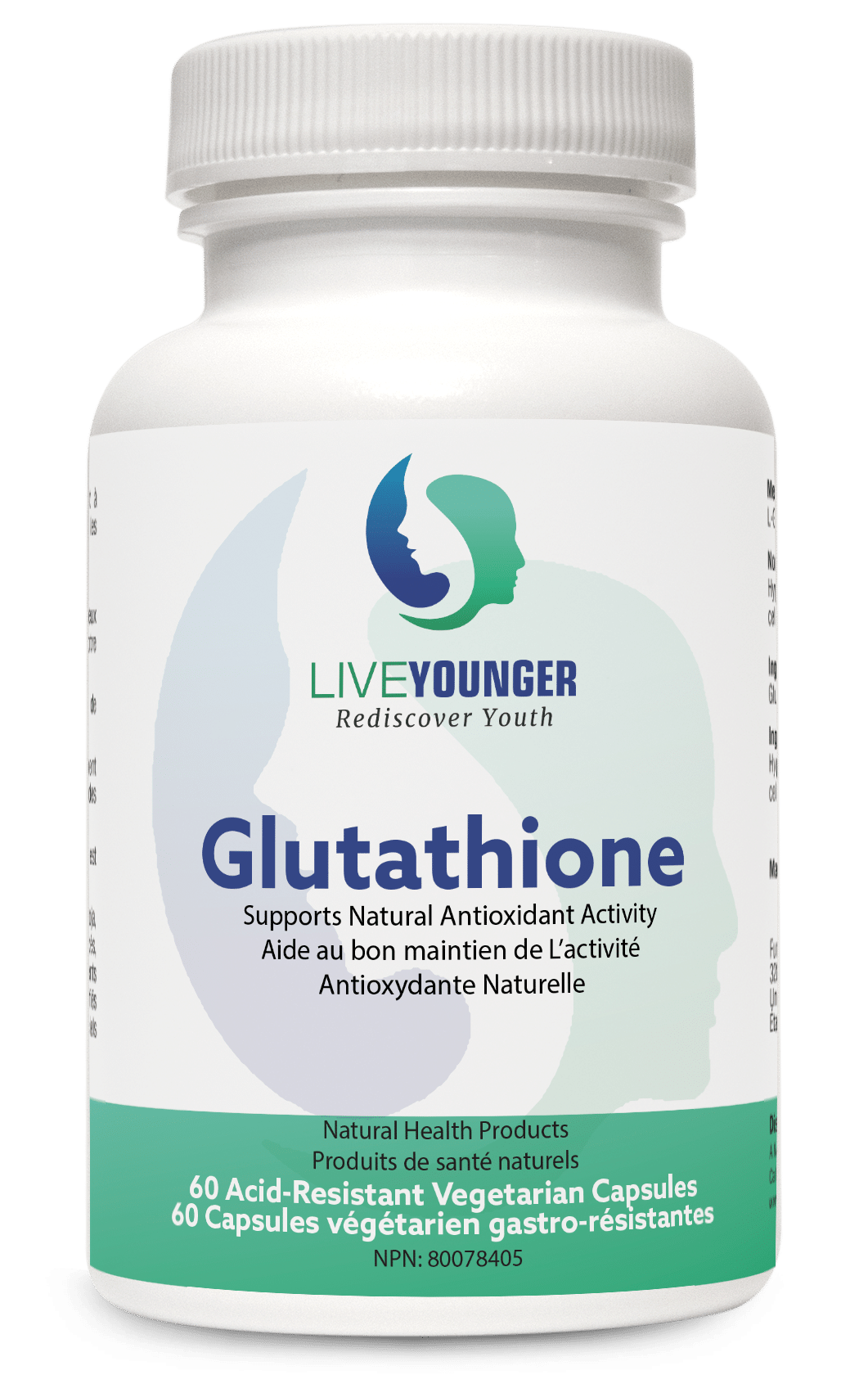
Glutathione 60 caps
Support detoxification, antioxidant defense, and cellular health with a high quality glutathione formula. Formulated for bioavailability and daily use.
- 60 capsule supply
- Clinically minded potency
- Third party tested
How Tylenol Depletes Glutathione and Affects Immunity
Research shows that when acetaminophen is metabolized, it consumes glutathione stores. This is more than a minor effect. Studies found that Tylenol impacts lung cells and reduces the effectiveness of immune modulators such as:
- Interleukin-6
- Tumor necrosis factor alpha
These cytokines normally regulate inflammation and support immune defense. When they are disrupted, the lungs become less able to clear infections, making recovery from respiratory illness more difficult.
Liver Detox Pathways and CYP Enzymes
The liver processes hormones, medications, and toxins through the cytochrome P450 enzyme system. Acetaminophen uses CYP1A2 and CYP2E1 pathways. These same pathways metabolize alcohol and caffeine. When Tylenol consumes those pathways, alcohol and caffeine are metabolized less efficiently and metabolites build up. That creates added toxin burden and interferes with hormone and medication clearance.
- Tylenol uses CYP1A2 and CYP2E1
- Alcohol and caffeine depend on the same pathways
- Genetic poor detoxifiers are at higher risk
Practical Impact for Families
For parents, the concern is real. Giving Tylenol to kids with a cough or fever can deplete glutathione and blunt immune modulators in the lungs, possibly prolonging illness. That is one reason I avoid keeping Tylenol at home and recommend alternatives when appropriate.
Safer Alternatives and When to Use Them
NSAIDs are often a reasonable alternative when there is no allergy or contraindication. Examples include ibuprofen and naproxen. These do not deplete glutathione the way acetaminophen does. However, all medications have effects and trade offs, so consider individual risks and consult your clinician when in doubt.
- Ibuprofen
- Naproxen
- Indomethacin and other prescription NSAIDs when indicated
Supporting Glutathione If You Must Take Acetaminophen
If you have to take acetaminophen take steps to support glutathione pathways. High quality glutathione supplements and precursors can help. Nutrients that support endogenous production include methylated B vitamins, vitamin C, selenium, and N-acetylcysteine. Not all glutathione supplements are effective, so choose well sourced, bioavailable products.
Can I Take Tylenol with Alcohol?
Combining acetaminophen and alcohol increases liver health risk because both place burdens on the same detox pathways. Alcohol depletes glutathione stores, and alcohol metabolites are toxic. Adequate glutathione is required to protect cells from damage caused by these toxic byproducts.
Key Takeaways
- Acetaminophen depletes glutathione, the body's master antioxidant.
- It can alter cytokines like interleukin-6 and TNF-alpha, affecting lung immunity.
- Tylenol competes for CYP1A2 and CYP2E1 liver pathways used by alcohol, caffeine, hormones, and other drugs.
- For many people, especially those with poor detox genetics, NSAIDs may be a better first option when appropriate.
- If acetaminophen is necessary, support glutathione with high-quality supplements and nutrients.
The Bottom Line: Should You Take Tylenol?
If you absolutely have to, then yes. But it should never be your first option.
- Tylenol depletes your body’s master antioxidant, glutathione.
- It interferes with immune system function, especially in the lungs.
- It slows detox pathways for alcohol, caffeine, hormones, and medications.
For long-term health, vitality, and longevity, protecting glutathione is far more valuable than quick symptom relief.
Final Thoughts
There is no conspiracy against Tylenol or the company that makes it. The facts are simple: depleting glutathione harms your health, and Tylenol does exactly that.
In my own home and in my practice, Tylenol has been replaced with safer alternatives and targeted supplementation.
Frequently Asked Questions
Is Tylenol bad for the liver?
Acetaminophen can stress the liver, particularly in large doses or combined with alcohol. It depletes glutathione, which the liver uses to neutralize toxins. Use recommended dosages and avoid alcohol while taking it.
What supplements support glutathione?
N-acetylcysteine, methylated B vitamins, vitamin C, selenium, and high quality bioavailable glutathione preparations help support glutathione levels. Consult a healthcare provider for dosing and product selection.